
In a political landscape that seems to shift by the hour, a recent rally for Donald Trump in New York has ignited discussions across party lines.
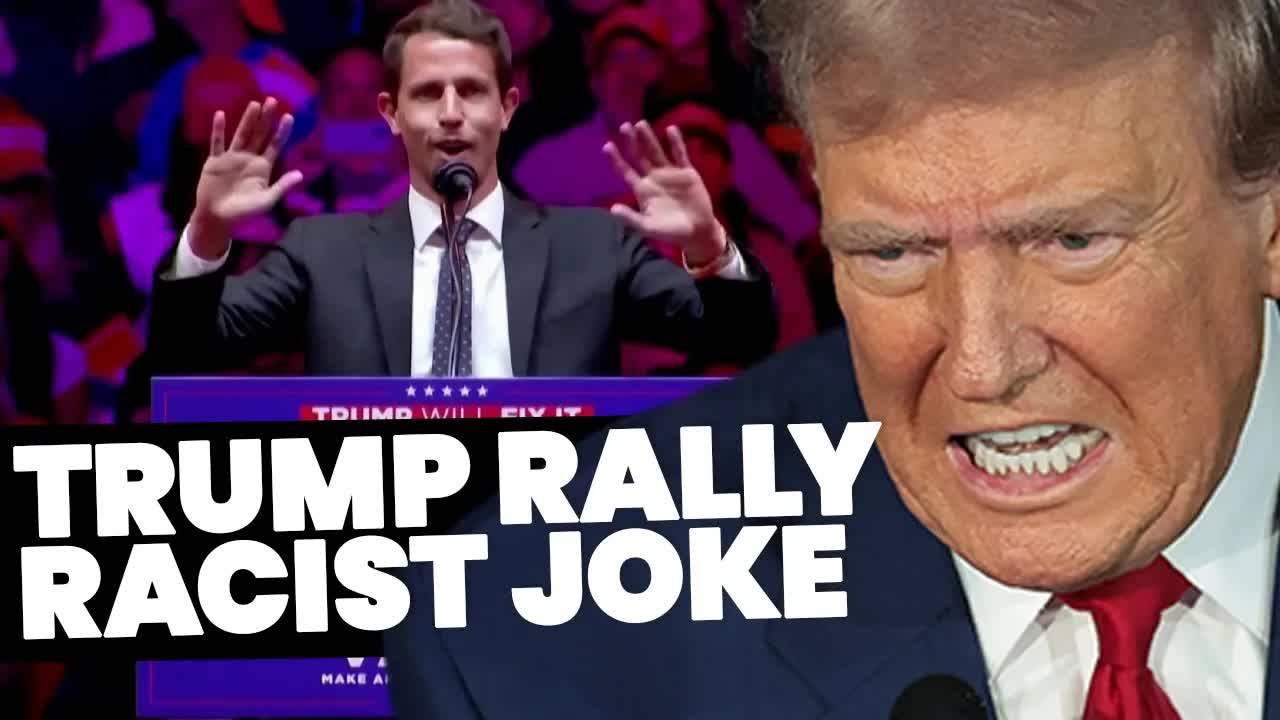
While the event drew an impressive crowd of around 100,000 attendees, the aftermath was clouded by controversial remarks made by a comedian during the rally.
These comments have sparked outrage and debate, particularly given their timing juxtaposed with Vice President Kamala Harris’s campaign activities just hours earlier.
The rally took place at Madison Square Garden, a venue not typically associated with Republican gatherings.
It was a vibrant event, yet overshadowed by the fallout from a joke that many found offensive.
Julia Manchester highlighted the irony of the situation, noting that Harris was engaging with Puerto Rican voters in Philadelphia around the same time.
The juxtaposition of her efforts and the comedian’s remarks has raised eyebrows and questions about timing and sensitivity.
On both sides of the aisle, reactions have been swift.
Florida Senator Rick Scott, representing a state with a significant Puerto Rican population, quickly condemned the comments.
Other Republican lawmakers, including those of Hispanic descent like Anthony D’Esposito and Maria Salazar, echoed similar sentiments.
Meanwhile, Democrats seized the opportunity to criticize Trump and his campaign, framing the remarks as part of a larger narrative about Trump’s relationship with Latino voters.
Recent discussions in the media have suggested that Trump was making strides with Hispanic and Latino men.
However, the fallout from this incident has led many to question whether those efforts have hit a roadblock.
Undecided voters, who are often turned off by inflammatory rhetoric, may find themselves further alienated by such comments, complicating Trump’s strategy to broaden his appeal.
Trump’s campaign has attempted damage control, with spokesperson Daniel Alvarez asserting that the comedian’s remarks do not reflect the views of the former president or his campaign.
Yet, the incident has become a focal point of discussion, raising questions about whether this could be construed as a distraction from the rally’s successes.
Some argue that any publicity is good publicity, but the negative attention surrounding this event may have overshadowed the rally’s intended message.
The rally itself was marked by a mix of enthusiasm and contradiction.
While there were positive reports circulating about the event, the media’s focus quickly shifted to the comedian’s comments.
Critics argue that this shift in narrative reflects a broader tendency within legacy media to highlight controversies over substantive policy discussions.
As the election cycle heats up, the implications of these remarks extend beyond mere headlines.
Trump’s rhetoric, particularly regarding immigration, remains a central theme of his campaign.
At the rally, he did not shy away from using charged language, accusing Harris of orchestrating betrayals against American citizens.
This kind of messaging resonates with certain voter blocs but risks alienating others who may prioritize policy over personality.
In the wake of the rally, Democratic strategist Theron Bond noted that the fallout could present an opportunity for Harris to redefine her campaign narrative.
However, she faces the challenge of clarifying her own positions while navigating the complexities of Trump’s ongoing provocations.
The tight race, reflected in recent polling, suggests that every misstep could have lasting consequences for both candidates.
Interestingly, the media landscape is also shifting.
The Washington Post and the L.A. Times have recently opted not to endorse either candidate, a surprising move that has drawn criticism and concern.
This decision reflects a growing unease among media outlets about the polarization of the current political climate and their role within it.
As the campaign progresses, the stakes continue to rise.
The absence of endorsements from major newspapers raises questions about journalistic integrity and the ability of media to inform voters without bias.
With the election just around the corner, the implications of these decisions will likely reverberate throughout the political sphere.
In this charged atmosphere, the interplay between media coverage, public perception, and political strategy is more crucial than ever.
Both Trump and Harris must navigate these turbulent waters carefully, as the potential for missteps looms large.
As the countdown to election day continues, the focus will undoubtedly remain on how each candidate responds to the challenges and opportunities presented by events like the recent rally.
Read more
