




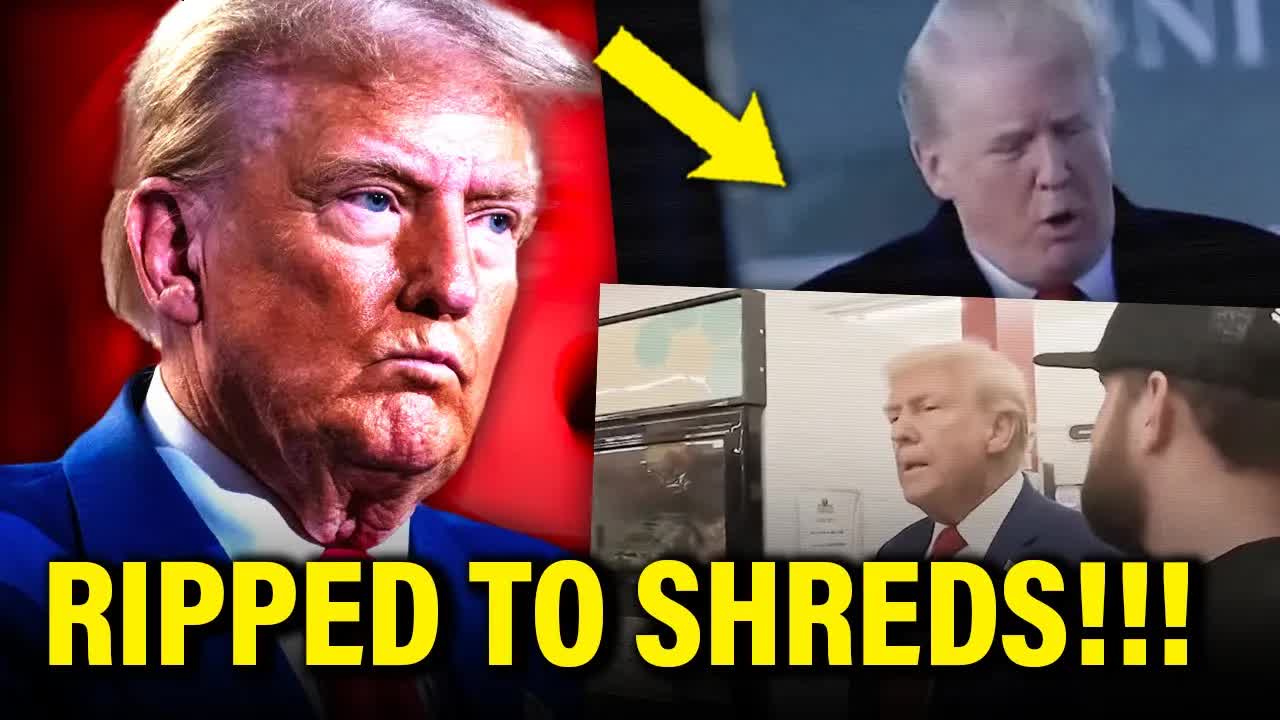
In an intense political climate, a series of striking advertisements has emerged, taking aim at former President Donald Trump and his allies.
The Lincoln Project, a group known for its anti-Trump stance, has been particularly vocal, releasing ads that paint Trump as a broken man who is fearful of his opponents, especially Vice President Kamala Harris.
These ads claim he is not only out of touch but also incapable of facing the challenges posed by global adversaries.
One ad from the Lincoln Project boldly asserts that Trump is a “chicken” and “weak,” suggesting that his inability to confront Harris reflects a broader incompetence.
The narrative suggests that if he cannot handle domestic political debates, he certainly wouldn’t be able to stand up against figures like Vladimir Putin or ISIS.
This portrayal aims to resonate with voters who are concerned about national security and leadership strength.
Another advertisement highlights Trump’s past interactions with Ukrainian President Volodymyr Zelensky.
It contrasts Trump’s perceived admiration for Putin with Harris’s diplomatic approach, framing Trump as a leader who prioritizes foreign interests over American ones.
The Lincoln Project’s message is clear: Trump’s presidency was characterized by a troubling relationship with Russia, undermining U.S. interests.
The ads delve into Trump’s promises made during his 2016 campaign, particularly his vow that no jobs would be lost under his administration.
Fast forward to today, and General Motors has announced significant layoffs in key states, including Ohio and Michigan.
Critics argue that this failure to deliver on promises exemplifies Trump’s disconnect from working-class Americans, further fueling discontent among voters.
In a different vein, the Lincoln Project has also targeted Republican candidate JD Vance, criticizing his views on marriage and family.
Vance’s controversial remarks about marriage being akin to a business contract have drawn backlash, with critics labeling his perspective as disrespectful to women and families.
This line of attack aims to sway voters who value family integrity and respect.
Meanwhile, grassroots activists like Dr. Zeke Taylor are exposing deceptive tactics used by some Trump supporters.
Taylor shared a story about a woman receiving a fraudulent letter claiming she was selected to house migrants under a nonexistent Biden-Harris program.
This incident illustrates the lengths to which some factions will go to sow fear and misinformation among voters, especially regarding immigration issues.
As the election approaches, organizations like VoteVets are amplifying their messages too.
They emphasize the importance of supporting Ukraine and holding Republican lawmakers accountable for their stances on military aid.
Their ads highlight the need for strong leadership in the face of global threats, contrasting it with Trump’s past actions that appear to undermine American values.
In the realm of climate change, Hollywood icon Robert Redford has weighed in, praising Kamala Harris for her commitment to environmental issues.
He argues that climate change poses a direct threat to fundamental freedoms and highlights her efforts to combat pollution and promote sustainable policies.
This endorsement adds another layer to the narrative surrounding leadership and responsibility.
The political discourse also touches on women’s rights, with recent statements from Trump and his allies raising concerns about access to birth control.
As discussions about reproductive rights intensify, candidates are being scrutinized for their positions, which could significantly influence voter sentiment.
Amidst this charged atmosphere, Kamala Harris has released new ads showcasing her proactive approach to border security and law enforcement.
Harris emphasizes her commitment to hiring more border agents and combating drug trafficking, presenting herself as a candidate with a clear plan to address pressing issues.
The stakes are high, and the rhetoric is fierce as both sides gear up for the upcoming election.
With each ad and public statement, candidates are attempting to define themselves and their opponents in a way that resonates with voters.
The question remains: will these strategies effectively sway public opinion, or will they backfire?
As we move closer to election day, one thing is certain—this political battle is far from over.
The airwaves are filled with powerful messages, each aiming to capture the hearts and minds of the electorate.
The outcome will ultimately hinge on how well each candidate connects with the concerns and aspirations of the American people.
Read more
