









Netanyahu’s Gambit in Lebanon
In a world where peace often feels elusive, the latest developments in the Middle East have sparked intense debate.
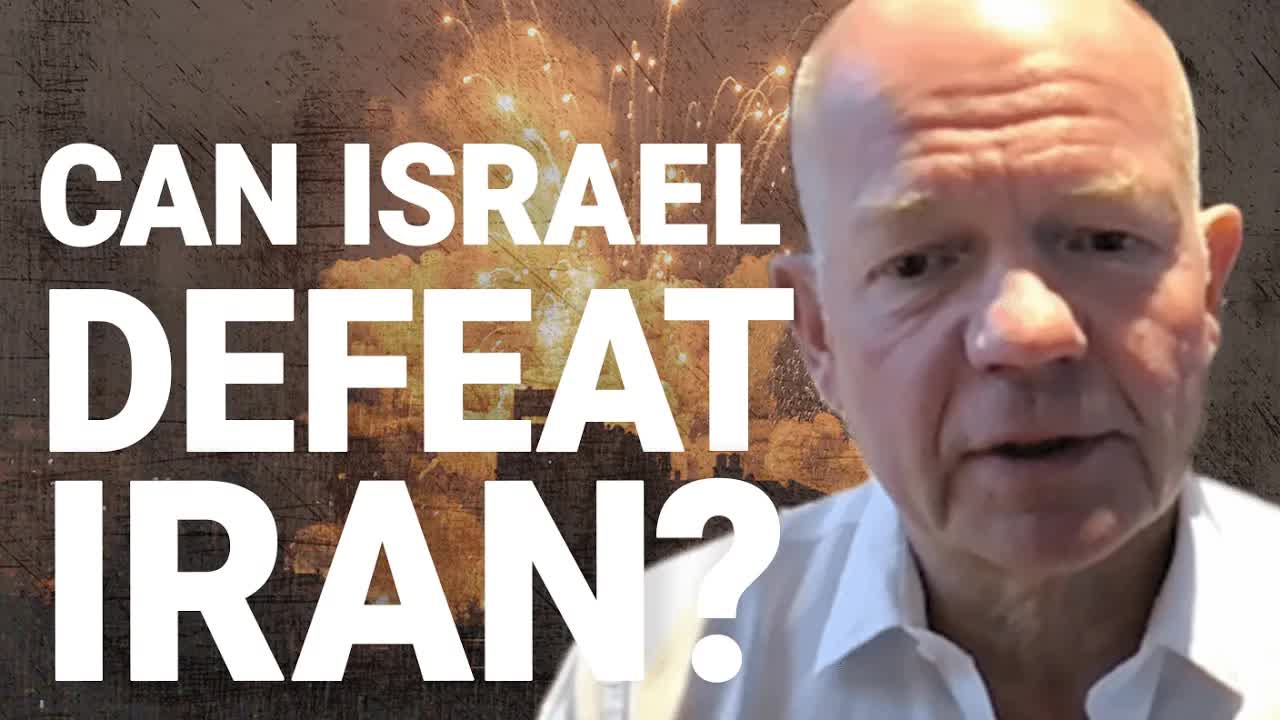
Former Foreign Secretary William Hague recently shared insights on the ongoing situation between Israel and its neighbors, particularly focusing on Prime Minister Benjamin Netanyahu’s bold claims about a potential shift in regional dynamics.
As Israel commences a ground offensive in Lebanon, questions arise: Could this be the dawn of a new era, or are we simply spiraling into yet another cycle of violence?
During a recent discussion on Times Radio, Hague reflected on his conversations with Netanyahu regarding the long-discussed two-state solution for Israelis and Palestinians.
Netanyahu, however, has consistently dismissed the idea, citing distrust in Palestinian leadership and concerns over corruption.
This skepticism raises eyebrows, especially as the region grapples with escalating tensions and complex political realities.
The backdrop of these discussions is Israel’s military actions against groups like Hamas and Hezbollah.
Netanyahu’s rhetoric has shifted from mere threats of destruction to a more optimistic vision of peace, particularly concerning Iran.
But can we really expect a transformative change in relations, or is this just political posturing?
Hague expressed skepticism, pointing out that while a different regime in Iran could foster peace, such changes won’t occur due to Israeli military interventions.
The situation is further complicated by the ongoing humanitarian crisis in Gaza.
Hague acknowledged the rationale behind Israel’s military actions, given the threats posed by Hezbollah and the dire circumstances in northern Israel.
However, he cautioned that merely addressing military concerns won’t alter the broader geopolitical landscape.
For lasting peace, Israel must also consider the rights and aspirations of Palestinians, something Netanyahu’s government has historically resisted.
Kezia Dugdale, former Scottish Labour leader, added another layer to the conversation by questioning the credibility of Israel’s claims regarding limited military operations.
She highlighted a troubling pattern: past promises of targeted actions often give way to broader, more destructive campaigns.
The lack of accountability and oversight raises concerns about the potential for further escalation in Lebanon.
As the West watches closely, the role of the United States looms large in this complex equation.
Dugdale pointed out that U.S. political dynamics often influence Israel’s actions, with leaders hesitant to challenge Israeli policies due to domestic political ramifications.
This creates a frustrating stalemate, leaving many wondering when genuine progress can be made.
The prospect of an Israeli occupation in southern Lebanon raises additional concerns.
Hague noted that previous invasions have led to prolonged conflicts and unintended consequences.
While Israel’s military capabilities have advanced significantly, the question remains: Can they effectively manage a territory without becoming mired in another occupation?
As the conflict unfolds, both Hague and Dugdale emphasized the importance of a comprehensive approach to peace.
They argued that any lasting solution must involve Palestinian representation and a commitment to their rights.
Without addressing these fundamental issues, the cycle of violence is likely to persist, leaving countless lives in jeopardy.
In the midst of these discussions, one can’t help but wonder about the future.
Will Netanyahu’s vision of peace resonate with the Iranian people, or will it remain a distant dream?
The complexities of regional politics make it clear that simple solutions are hard to come by.
As the Conservative Party Conference takes place in Birmingham, the implications of these international conflicts are felt even at home.
The leadership contest within the Conservative Party is a reminder that domestic politics often intertwine with global issues, shaping the responses to crises abroad.
In a time where every action seems to echo across borders, the call for peace must be louder than ever.
The challenges ahead are daunting, but the pursuit of understanding and cooperation remains vital.
Only through genuine dialogue and mutual respect can we hope to break free from the cycles of violence that have plagued the region for far too long.
Read more
