



As the countdown begins to what could be a historic election, political analysts are buzzing with predictions about the future of the United States.
With just ten days left until results start rolling in from across the nation, the atmosphere is electric.
The stakes are high, and tension is palpable—not only for the candidates but also for the American populace.
The race is so tight that making a call on the outcome feels almost impossible.
One prominent figure in political forecasting is Alan Lickman, a history professor at American University, often dubbed the “Nostradamus of American political polling.”
His track record is impressive; he has accurately predicted nine out of the last ten presidential elections since 1984.
Lickman employs a unique methodology known as the “Keys to the White House,” which he believes offers a more reliable gauge of electoral outcomes than traditional polling methods.
Recently, Lickman made headlines by predicting that Kamala Harris would emerge victorious in the upcoming election.
He made this assertion before the much-anticipated Harris-Trump debate, emphasizing that effective governance, rather than campaigning, plays a pivotal role in determining electoral success.
Despite the ups and downs of the campaign trail, he remains steadfast in his belief that Harris will win.
But what exactly makes Lickman so confident?
He relies on a set of 13 keys that evaluate the performance and strength of the party in power.
If six or more keys turn against the incumbent party, they are deemed likely to lose.
For Harris and the Democrats, however, Lickman identifies four keys that signal potential challenges, including losses in the House and issues surrounding foreign military engagements.
The political landscape is shifting dramatically.
Lickman highlights that the U.S. is evolving into a majority-minority country, a trend that could significantly influence future elections.
He suggests that this demographic shift may be fueling the fervor behind movements like MAGA, as some groups feel threatened by these changes.
Interestingly, Lickman has faced criticism for his predictions, especially from those who rely heavily on polling data.
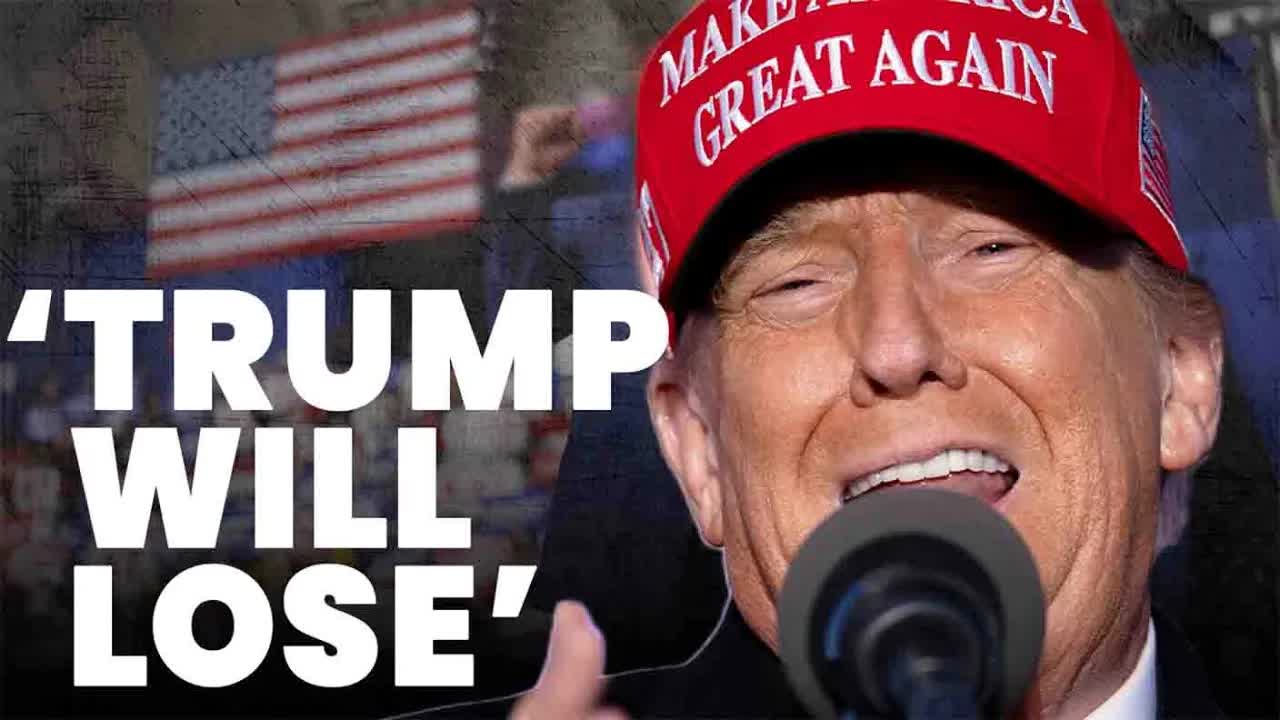
In 2016, he famously defied conventional wisdom by predicting Trump’s victory, which did not endear him to many in the Democratic establishment.
However, he remains unfazed by the backlash, asserting that his keys offer a clearer, more definitive picture of electoral outcomes compared to fluctuating polls.
Lickman acknowledges the intense scrutiny and hostility he has encountered this election cycle.
He describes receiving unprecedented levels of hate and threats, attributing this alarming trend to the divisive political climate fostered by Trump.
While he has weathered criticism in the past, the nature of this vitriol is unlike anything he has experienced in his four-decade career.
Despite the challenges, Lickman stands firm in his predictions.
He admits to feeling anxious about being wrong, a sentiment that resonates with many in the political arena.
His confidence in his system stems from its historical foundation, which spans over 160 years of American political evolution.
Yet, he remains aware that unforeseen events could disrupt even the most well-established patterns.
As we inch closer to Election Day, the stakes remain high.
Lickman’s insights provide a thought-provoking lens through which to view the upcoming election.
Will we witness the dawn of a new era with Kamala Harris potentially becoming the first female president and the first leader of mixed African and Asian descent?
Only time will tell, but the implications of such a change could reverberate throughout the nation.
In a political landscape rife with uncertainty, Lickman’s predictions serve as a reminder of the complexities inherent in forecasting electoral outcomes.
His commitment to his methodology, despite external pressures, underscores the importance of understanding historical trends while navigating contemporary challenges.
As the nation holds its breath, one thing is clear: the upcoming election promises to be a defining moment in American history, shaping the future for generations to come.
Whether Lickman’s predictions hold true or not, the conversation surrounding these pivotal changes is just beginning.
Read more
