






In a recent discussion on the Midas Touch Network, Mike Sachs and Ellie Mistal delved into the significant implications surrounding the 2024 vice presidential debate.
They highlighted a moment that raised alarm bells about the state of democracy in America, primarily focusing on Donald Trump’s persistent refusal to acknowledge his loss in the 2020 election.
This denial, Sachs argues, presents a grave threat to democratic principles, especially as Trump continues to assert that he did not lose.
Sachs pointedly questioned Trump’s narrative, asking if the former president truly believes he won the 2020 election.
The conversation quickly shifted to the issue of censorship, particularly regarding Kamala Harris’s alleged suppression of free speech during the COVID-19 pandemic.
Sachs criticized this line of questioning, suggesting it was a glaring evasion of the more pressing concerns surrounding the January 6th insurrection, which Trump and his supporters seem to downplay.
Mistal echoed this sentiment, emphasizing the absurdity of equating social media censorship with the violent attack on the Capitol.
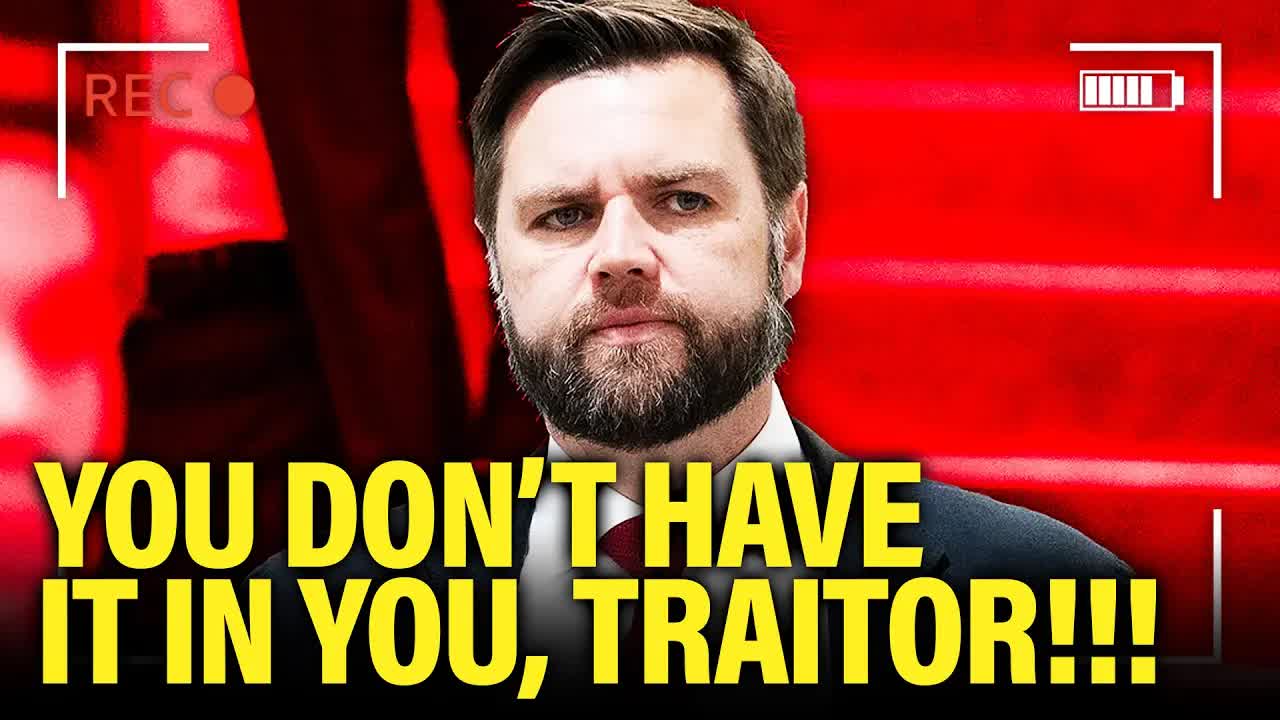
For some Republicans, like J.D.
Vance, being blocked on Twitter feels just as serious as having one’s vote disregarded or facing physical violence for upholding electoral integrity.
Sachs offered a unique perspective, suggesting that these individuals may be so disconnected from real issues that they perceive their inability to express themselves online as a profound injustice.
The conversation then turned to the First Amendment, with Vance claiming it to be the most sacred right in democracy.
Sachs countered this assertion, arguing that the right to vote holds far greater significance.
He pointed out that without universal suffrage, the very foundation of democracy crumbles.
While the First Amendment is essential, it serves as an enhancement to the core right of voting, which has historically been denied to many in America until relatively recently.
As they dissected the events of January 6, Sachs couldn’t help but highlight the irony in Vance’s attempts to downplay the insurrection while simultaneously advocating for a peaceful transfer of power in future elections.
Vance’s comments seemed to gloss over his previous support for efforts to overturn the 2020 election results, raising questions about his commitment to democratic principles.
Both Sachs and Mistal noted the ongoing legal battles initiated by the Republican National Committee and Trump’s allies, who are working tirelessly to manipulate electoral processes across the country.
They expressed concern over the systematic disenfranchisement efforts that have emerged in various states, aimed at creating chaos and confusion around voting procedures.
In Georgia, for instance, last-minute changes to early voting rules have thrown the electoral process into disarray.
Similarly, North Carolina has seen mass purges of voter registrations, with citizens being abruptly removed from the rolls.
These tactics reflect a broader strategy among Republicans to suppress voter turnout, especially in light of the lessons learned from the 2020 elections, where many votes were successfully cast and counted.
Sachs and Mistal also discussed the ongoing litigation regarding mail-in ballots and absentee voting, highlighting how Republicans are attempting to impose stricter regulations that could potentially invalidate legally cast votes.
This reflects a troubling trend in which the GOP seeks to undermine the fundamental tenets of democracy by making it increasingly difficult for citizens to exercise their right to vote.
Amidst this bleak landscape, the hosts emphasized the importance of grassroots organizing and mobilization to counteract these voter suppression tactics.
They acknowledged that the upcoming elections will hinge on whether voters can navigate the barriers put in place by Republican lawmakers.
The conversation underscored the need for a robust ground game to ensure that all eligible voters can participate without undue hardship.
As the debate shifted towards abortion rights, Sachs and Mistal pointed out the contradictions in Republican rhetoric.
Vance’s claims of wanting to regain women’s trust on reproductive issues were dissected, revealing a deeper agenda aimed at restricting women’s choices rather than empowering them.
The hosts argued that genuine pro-family policies must include safeguarding women’s autonomy over their bodies.
Finally, they highlighted the critical role of public perception and engagement in shaping the political landscape.
The surge in interest surrounding abortion following the debate indicated that voters, particularly women, are becoming more aware and active regarding their rights.
This awakening could prove pivotal in the upcoming elections, as the hosts expressed hope that American voters will remain vigilant against the encroachments on their democratic freedoms.
In a time when the integrity of democracy is under siege, Sachs and Mistal’s insights serve as a clarion call for awareness and action.
As the nation approaches the 2024 elections, the stakes have never been higher, and every vote will matter more than ever.
Read more
