
In Pennsylvania, a community of about 580,000 individuals of Puerto Rican descent could play a pivotal role in the upcoming election.
This demographic is significant, especially in a state where results could hinge on just a few thousand votes.
However, it’s essential to recognize that not all Puerto Ricans share the same political views or priorities.
Their reactions to recent controversies, such as derogatory remarks made by a podcaster about Puerto Rico and the former President’s previous withholding of federal aid after natural disasters, are unpredictable.
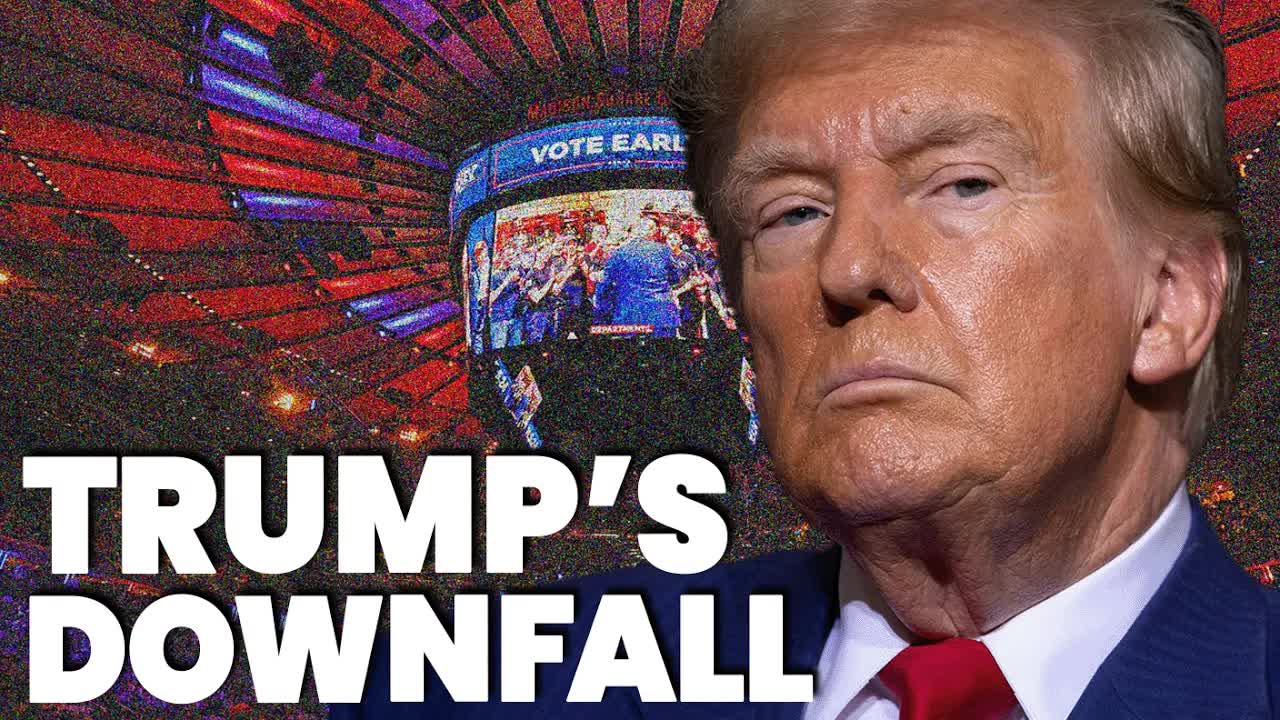
Yet, it’s reasonable to assume that many Puerto Ricans—and indeed, people from various backgrounds—might feel disheartened by the hateful rhetoric displayed at a recent Trump rally.
This event was not just an isolated incident; it was part of a broader trend of divisive language targeting various groups, including Hispanics, African Americans, and women.
The very fact that Trump embraces such vitriol raises questions about his appeal and strategy, particularly as he attempts to court these voters.
The rally itself was rife with offensive comments, including slurs aimed at Black voters and disparaging remarks about Kamala Harris and Hillary Clinton.
Trump, rather than distancing himself from this divisiveness, appeared to welcome it, threatening to use the military against those he perceives as enemies.
This behavior adds another layer of complexity to an already fraught political landscape, where the lines between civility and aggression blur.
As we look ahead to the election, the importance of recent events cannot be overstated.
Since the singular debate between Trump and Harris on September 10, no defining moment has emerged to shape the narrative of this election.
Trump’s reluctance to participate in further debates suggests a strategy focused on sensationalism rather than substantive dialogue, hoping that outrageous statements will dominate the news cycle.
In stark contrast, Michelle Obama’s recent appearance alongside Kamala Harris in Michigan emphasized the gravity of the current political climate, particularly regarding women’s rights.
Her call to action—asking voters what side of history they wish to be on—serves as a powerful reminder that this election isn’t merely about politics; it’s about lives and futures.
With contrasting visions of America at play, the stakes have never been higher.
The media narrative surrounding these events is crucial.
While some outlets have attempted to portray both sides as equally culpable, others have begun to call out the overt racism and misogyny exhibited at Trump’s rally.
This shift in coverage could influence public perception and voter turnout in the coming days, especially among those who may have felt alienated by the harsh rhetoric.
Looking at early voting trends reveals a promising sign for Democrats.
States like Georgia and North Carolina are reporting record turnout, and early indicators from Pennsylvania suggest similar enthusiasm.
This uptick in voter engagement could favor Democrats, especially if the issues highlighted by Michelle Obama resonate with the electorate.
However, the question remains: will these events galvanize enough voters to make a difference?
Historical patterns indicate that low turnout among Democrats in previous elections has led to losses, while high turnout can secure victories.
The recent surge in early voting could signal a shift in momentum, but the outcome remains uncertain.
As both campaigns ramp up their efforts, the dynamics are shifting.
While Trump’s team may feel rattled by the backlash from the rally, they are also doubling down on their messaging, attempting to redirect attention to perceived gaffes made by Biden.
This strategy seeks to distract from the underlying issues and maintain their base’s enthusiasm.
Kamala Harris is actively campaigning in swing states, using her platform to remind voters of the threats posed by the Trump administration.
By framing the election as a choice between freedom and division, she aims to resonate with those who value unity over discord.
The symbolic nature of her events, particularly in locations tied to past political turmoil, underscores the seriousness of this election.
Ultimately, the unpredictability of the next few days makes it difficult to forecast the election’s outcome.
Both candidates face scrutiny, and any misstep could be magnified in the media.
As we approach Election Day, the stakes are higher than ever, and the potential for unexpected shifts in voter sentiment looms large.
Read more
