




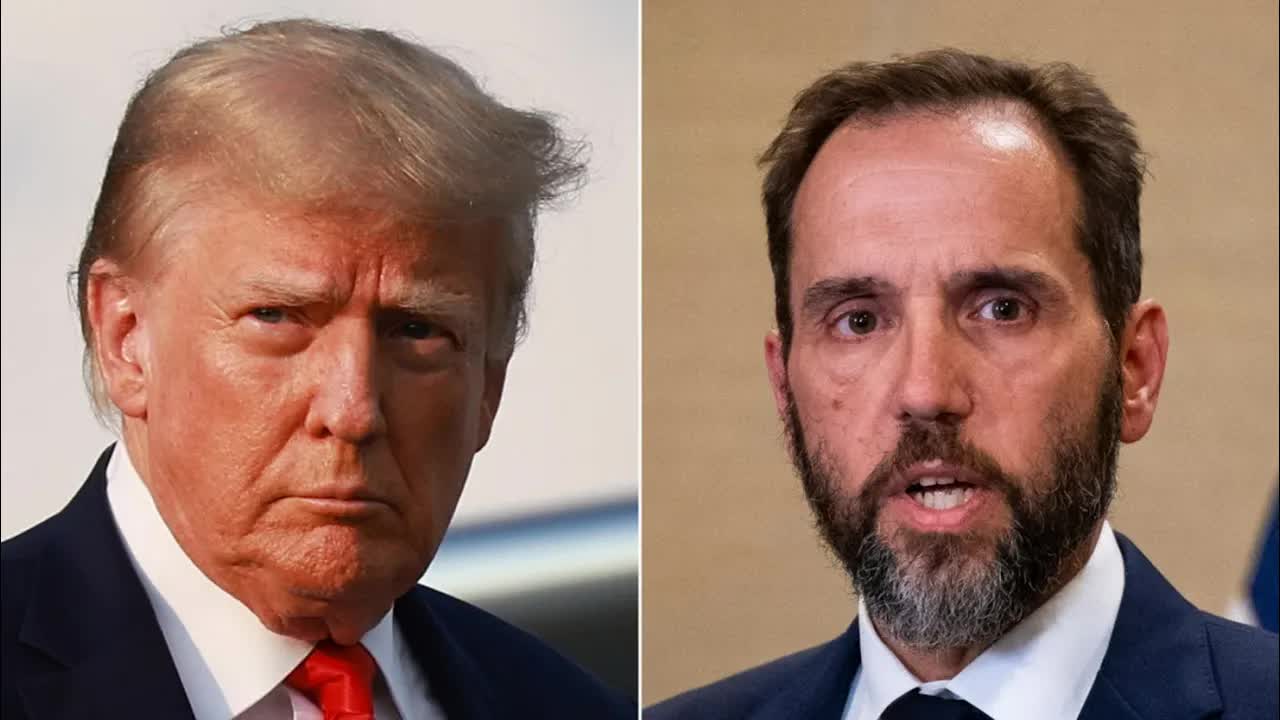
In a significant development in the ongoing legal saga surrounding Donald Trump, the case dismissed by Judge Cannon in Florida has now made its way to the 11th Circuit Court of Appeals.
Prosecutor Jack Smith is actively seeking to have this case reinstated in the trial court, but he’s recently requested a 30-day extension for filing, a move that some see as typical of Trump’s legal strategy.
Interestingly, Smith has chosen not to contest Trump’s request for more time, raising questions about his motives.
The most telling aspect of Trump’s lawyers’ filing is the term “unopposed.”
This choice of words caught the attention of many observers, especially since Smith has previously indicated a desire to expedite the legal proceedings.
With the November election looming, there was hope that one of Trump’s federal criminal cases could go to trial beforehand.
However, that prospect now seems unlikely.
There are two primary reasons behind Smith’s decision not to oppose the extension.
First, it appears that the timeline for this case will extend well beyond the upcoming election.
The process of fully briefing and arguing the case before the 11th Circuit will take considerable time.
If the court decides to reinstate the case, it will then be sent back to either Judge Cannon or potentially a new judge, further prolonging the timeline.
Given these factors, Smith likely sees little downside in granting Trump an additional 30 days.
The second reason for Smith’s strategic choice may relate to an impending filing due in Washington, D.C., on September 26.
This document will detail extensive evidence regarding Trump’s alleged misconduct surrounding January 6, when he attempted to overturn the election results.
Smith has indicated that this filing will include grand jury transcripts and detailed FBI reports, suggesting that his team is heavily focused on this critical task.
While Smith and his team are immersed in preparing for this major filing, they would have had to divert resources to address the Florida motion, which might not significantly impact the overall timeline.
Essentially, the delay in Florida could provide Smith’s team with breathing room to concentrate on the more pressing D.C. case.
In a rather curious twist, Trump’s lawyers justified their request for more time by claiming that they are overwhelmed with multiple prosecutions across various jurisdictions.
They cited the civil case in New York related to the E. Jean Carroll verdict, along with the D.C. criminal case and other pending matters.
However, this defense raises eyebrows, as it doesn’t paint a strong picture of their legal standing.
Turning back to the specifics of the motion filed in Florida, Smith previously submitted a compelling brief arguing that Judge Cannon abused her discretion in dismissing the case.
He pointed out that her ruling contradicts established legal precedents, including those upheld by the Supreme Court.
The implications of the 11th Circuit’s decision could reverberate throughout the executive branch, affecting numerous appointments beyond just this case.
Given the history of the 11th Circuit’s previous rulings against Judge Cannon, there is a strong likelihood that they will reverse her decision once again.
In a past instance involving Trump, a three-judge panel unanimously overturned Cannon’s ruling, indicating a pattern of her overstepping judicial bounds.
The prospect of a third reversal raises questions about Cannon’s future involvement in this case.
Some legal experts speculate that it may be time for Smith to request her removal from the proceedings entirely, especially if she continues to demonstrate bias in favor of the defense.
If the 11th Circuit finds her at fault yet again, it could open the door for such a motion.
However, before any trial can commence, the case is expected to face further appeals, potentially reaching the U.S. Supreme Court.
This reality underscores the complexity and drawn-out nature of legal battles involving high-profile defendants like Trump.
In light of these developments, it seems prudent for Smith to adopt a cooperative stance where possible, especially since the legal landscape is fraught with uncertainties.
A delay in Florida might not significantly hinder the prosecution’s efforts, allowing them to focus on more critical motions.
As the situation evolves, all eyes will remain on the Florida case and the upcoming filings in D.C.
The legal ramifications of these proceedings are far-reaching, promising to keep the public engaged as new updates emerge.
The coming weeks will undoubtedly be pivotal in shaping the trajectory of Trump’s legal challenges.
Read more
