

Picture this: a town hall meeting, vibrant with energy, where President Biden and Michigan Governor Gretchen Whitmer stand before a crowd of enthusiastic supporters.
Suddenly, instead of addressing pressing questions, President Biden opts for an unexpected twist—he starts playing music and swaying to the beat, seemingly lost in the moment.
While this scenario might sound absurd, it mirrors a recent event featuring Donald Trump that left many scratching their heads.
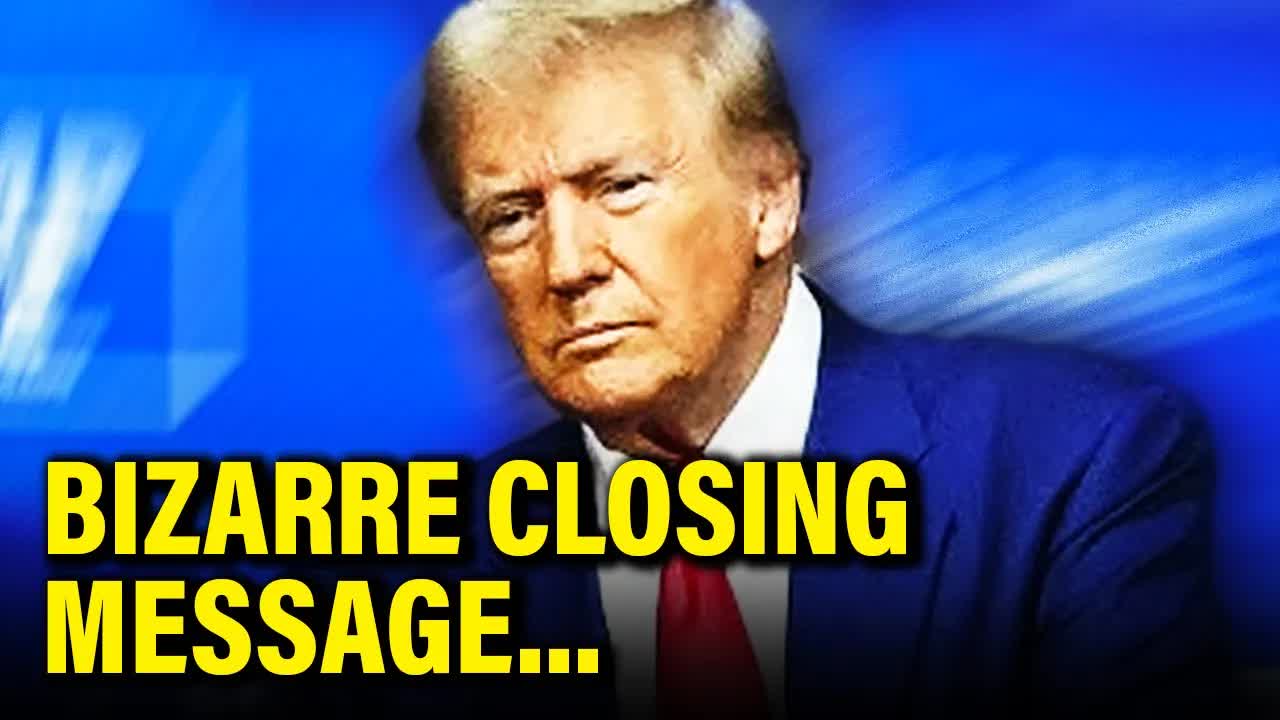
In a bizarre turn of events at a Trump rally in Pennsylvania, the former president appeared to disengage completely from reality.
Instead of engaging with the audience, he chose to zone out, swaying to music as if he were at a concert instead of a political event.
This peculiar display was reminiscent of a scene where Kristi Noem, the Governor of South Dakota, waved her hands alongside him, much like someone trying to entertain a relative in a nursing home.
The juxtaposition of these actions raises serious questions about Trump’s fitness for office.
The media’s portrayal of this incident was equally troubling.
The Wall Street Journal, owned by Rupert Murdoch, described the event with a headline that trivialized the situation, likening it to a concert.
Such comparisons are not only misleading but also dangerous, as they normalize behavior that should be scrutinized.
Social media users quickly pointed out the absurdity of this framing, drawing historical parallels that highlighted the gravity of the moment.
As commentators on platforms like MSNBC and The New York Times dissected Trump’s behavior, they noted a concerning trend: the public has become desensitized to his erratic actions.
Trump’s speech patterns have shifted, becoming increasingly disjointed and nonsensical.
Observers remarked that if Biden had ever behaved in a similar manner, the media would have erupted with calls for him to withdraw from the race.
The double standard is glaring and raises serious concerns about our collective understanding of what constitutes normal behavior in political leadership.
The stark contrast in media treatment is evident.
Biden, who faced intense scrutiny for minor gaffes, has been portrayed as stable and competent.
In contrast, Trump’s alarming rhetoric and actions seem to elicit little more than a shrug from mainstream outlets.
This disparity reflects a broader issue within our political discourse, where Trump’s behavior has been normalized over nearly a decade, leading to a disturbing acceptance of the unacceptable.
During the Pennsylvania rally, Trump’s lack of empathy was on full display.
As he cracked jokes about his own struggles to get up from his seat—allegedly due to a gunshot wound—he failed to acknowledge the grief of Gold Star parents in attendance.
This insensitivity is emblematic of a deeper issue: Trump’s self-centeredness and disconnect from the realities faced by those around him.
Moreover, the presence of Nazi symbols at some of Trump’s rallies raises alarming questions about the atmosphere he cultivates.
As observers have noted, if attendees tolerate such imagery without protest, it suggests a troubling acceptance of hate within parts of his base.
This stark reality contrasts sharply with how dissenting symbols are treated at Democratic events, underscoring a significant divide in our political landscape.
The normalization of Trump’s behavior is not just an issue of individual actions; it’s a reflection of broader societal trends.
Over the past decade, we’ve witnessed a gradual erosion of democratic norms, fueled by a combination of partisan media and extremist rhetoric.
This environment has created fertile ground for divisive and hateful ideologies to flourish, threatening the very fabric of our democracy.
As we approach the upcoming elections, it’s crucial for citizens to remain vigilant.
The exhaustion felt by many Americans should not translate into apathy.
Engaging in meaningful conversations, participating in voter outreach, and fostering community connections are essential steps in safeguarding our democracy.
The stakes have never been higher, and every voice matters.
In this challenging political climate, communities like the Midas Touch Network serve as vital spaces for dialogue and action.
Encouragement and unity within these groups empower individuals to make a difference, reminding us that collective efforts can lead to meaningful change.
As we navigate these turbulent times, let’s commit to holding our leaders accountable and ensuring that we uphold the values that define our democracy.
Each of us has the power to influence those around us, and together, we can shape a future that reflects our shared ideals.
Read more
