




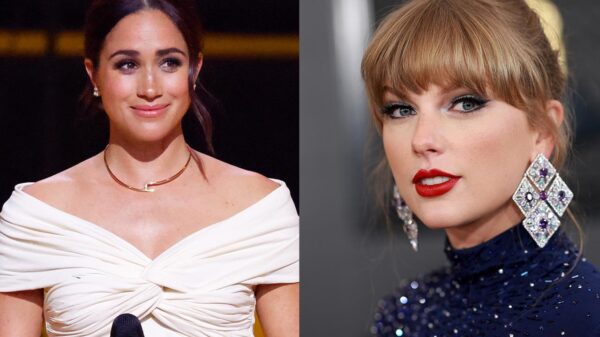

In a striking segment on MSNBC’s Morning Joe, co-host Mika Brzezinski didn’t hold back in her critique of Donald Trump, labeling him a significant threat to women and democracy.
With emotions running high, she articulated her beliefs about the former president’s troubling tendencies, which she argues are reminiscent of fascist behavior.
Brzezinski’s passionate monologue has ignited discussions about the implications of Trump’s potential return to power and the risks it poses to vulnerable populations, particularly women.
Brzezinski emphasized that the upcoming election isn’t just another political contest; it’s a matter of life and death for many.
She underscored how Trump’s actions, especially regarding reproductive rights, have put countless women at risk.
The conversation turned somber as she reflected on the devastating fallout from the Supreme Court’s Dobbs decision, which was influenced by Trump’s appointment of three anti-choice justices.
This ruling has left a lasting impact on families across America, making the stakes for the next election even higher.
The emotional weight of the discussion was palpable when Brzezinski shared a poignant testimonial from Deborah Thorberg, a woman deeply affected by the Dobbs ruling.
Thorberg’s heart-wrenching story highlighted the personal toll of the decision, as she recounted the tragic loss of her son, Milo, who passed away shortly after birth.
Brzezinski praised Thorberg’s bravery for sharing her experience, noting how it resonated with many who have suffered in silence.
Brzezinski’s remarks were not just about individual stories but also about the broader implications of Trump’s governance.
She accused him of fostering an environment where women feel unsafe and threatened, particularly concerning their reproductive health.
“He’s killing us,” she declared, conveying the urgency of the situation for women who are now grappling with fears about their rights and safety.
The segment also touched on Trump’s troubling admiration for authoritarian figures, drawing parallels between his rhetoric and that of historical dictators.
Brzezinski pointed out that Trump’s comments about military loyalty echo sentiments expressed by Hitler, raising alarms about his mindset and intentions.
Such comparisons are alarming and warrant serious consideration as the nation heads into another election cycle.
Kamala Harris, Trump’s political opponent, further fueled this conversation during a recent town hall on CNN.
She echoed Brzezinski’s sentiments, asserting that Trump’s behavior poses an existential threat to democracy itself.
Harris cited statements from former Trump staffers, including General Milley, who have candidly labeled Trump a fascist.
This acknowledgment from those within his inner circle adds weight to the concerns being raised.
The implications of Trump’s rhetoric extend beyond mere words; they have real-world consequences.
Brzezinski and Harris both emphasized that understanding the historical context of Trump’s statements is crucial.
Drawing on phrases that have been associated with totalitarian regimes, Trump’s language raises red flags about his approach to governance and the potential normalization of extremist views.
As the discussion unfolded, Brzezinski expressed frustration over the public’s complacency, urging viewers to recognize the gravity of the situation.
She noted that many may struggle to comprehend the shift from a comfortable society to one where freedoms are threatened.
This disconnect is dangerous, as it can lead to a lack of urgency in addressing the potential ramifications of another Trump term.
The dialogue between Brzezinski and her fellow panelists highlighted the importance of solidarity among women and allies in the fight for democracy.
They stressed the need for a united front against any attempts to undermine rights and freedoms, particularly in the face of rising authoritarianism.
The visuals of strong women like Kamala Harris and Liz Cheney standing together serve as a powerful reminder of the strength found in diversity and collaboration.
The stakes are undeniably high as the nation approaches the next election.
With Trump’s history of controversial policies and divisive rhetoric, voters must grapple with the potential consequences of his return to power.
As Brzezinski poignantly stated, “We cannot afford to be complacent.”
The future of women’s rights and democratic values hangs in the balance, urging citizens to remain vigilant and engaged.
In the end, the conversations sparked by Brzezinski and Harris are vital for raising awareness about the threats facing women and democracy.
As the political landscape continues to evolve, these discussions can serve as a rallying cry for those who believe in protecting the rights of all individuals.
The time to act is now, and the voices of those who have been affected must be heard and amplified.
As we navigate this pivotal moment in history, it’s essential to remember that the fight for justice and equality is ongoing.
The narratives shared by brave individuals like Deborah Thorberg remind us of the personal stakes involved in political decisions.
By staying informed and active, we can work together to safeguard the freedoms that define our democracy.
Read more
