






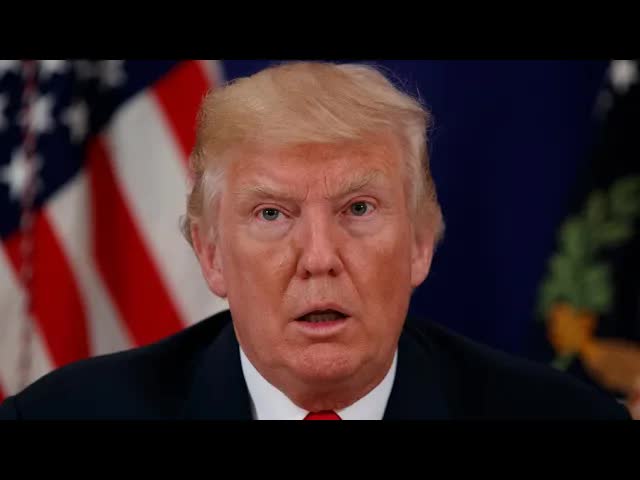
In the wake of Hurricane Helene, a troubling wave of disinformation has emerged, primarily fueled by prominent figures such as Donald Trump and Elon Musk.
This misinformation deluge is not merely an annoyance; it poses a genuine threat to the integrity of our democratic processes, particularly as we approach the upcoming November elections.
The situation raises critical questions about the impact of false narratives on public perception and response during natural disasters.
Tim Miller, a commentator on the matter, expresses deep concern over the current state of affairs.
He believes that what we are witnessing now is a precursor to the chaos expected in November, characterized by fabricated claims of electoral fraud and cheating.
The challenge for those defending democracy is akin to a game of whack-a-mole, where each lie must be swiftly addressed to prevent further harm.
The stakes are high, and real lives are affected by these falsehoods.
Local first responders have reported instances where they were dispatched to areas based on viral posts claiming that FEMA had abandoned communities.
These posts, often originating from right-wing social media circles, turned out to be completely unfounded.
In another notable incident, Transportation Secretary Pete Buttigieg found himself having to clarify the situation to Musk, who was spreading false information about relief efforts.
Such scenarios highlight the dangerous intersection of misinformation and real-world consequences.
Moreover, a disturbing narrative has emerged among some Republicans, claiming that disaster relief funds have been depleted due to aid given to migrants.
This rhetoric can deter individuals genuinely in need from seeking assistance, as they believe there is no money left for them.
The implications are dire—people who require urgent support may forego applying for aid based on these misleading statements.
Miller points out that even elected officials at the state level have had to intervene, reassuring constituents that FEMA assistance is available.
For instance, a North Carolina Republican legislator had to dispel rumors that FEMA was seizing properties and preventing residents from returning home.
These interventions underscore the necessity for accurate information dissemination during crises, especially when misinformation can exacerbate suffering.
The aftermath of Hurricane Katrina looms large in the collective memory of Louisiana residents.
Miller, a New Orleans native, reflects on the exploitation of tragedies by political figures for their gain.
He emphasizes that while some communities may be better prepared than others, the need for clear communication and reliable information is paramount during such disasters.
Unfortunately, misinformation can spread like wildfire, leaving vulnerable populations even more exposed.
As the conversation unfolds, the absence of national Republican leaders willing to denounce these falsehoods becomes glaringly evident.
Local officials are left to combat the fallout from misleading statements made by their party’s higher-ups.
This absence of accountability raises questions about the moral compass of a party that seems willing to prioritize political advantage over the well-being of its constituents.
The discussion also turns to Musk’s role in perpetuating misinformation.
His apparent alignment with Trump raises eyebrows, especially given his past claims of political neutrality.
Miller suggests that Musk’s motivations may stem from a blend of personal grievances against the left and a genuine belief in the disinformation he spreads.
The blurring of lines between humor and harmful rhetoric is concerning, as it can lead to real-world consequences for those who take such claims seriously.
Looking ahead to November, Miller warns that the disinformation landscape is likely to be even more chaotic than in previous elections.
The groundwork for misleading narratives is being laid well in advance, with false claims about voting processes and election integrity already circulating.
This proactive spread of misinformation presents a unique challenge for those committed to upholding democratic values.
Despite the grim outlook, there is a glimmer of hope.
An emerging network of individuals and organizations is dedicated to countering misinformation, providing timely rebuttals to false narratives.
This proactive stance is crucial in combating the tidal wave of disinformation expected in the lead-up to the elections.
Additionally, the lessons learned from past elections can inform strategies to mitigate the impact of falsehoods.
As Miller concludes, the importance of electing individuals who value democracy and truth cannot be overstated.
The upcoming elections will test the resilience of our democratic institutions in the face of relentless disinformation.
It is imperative that voters recognize the significance of their choices, especially in key positions that influence the electoral process.
The challenges posed by misinformation are daunting, but with vigilance and a commitment to truth, there remains hope for a more informed electorate.
As we navigate this complex landscape, the responsibility lies with each of us to seek out accurate information and hold those in power accountable for their words and actions.
Read more
