









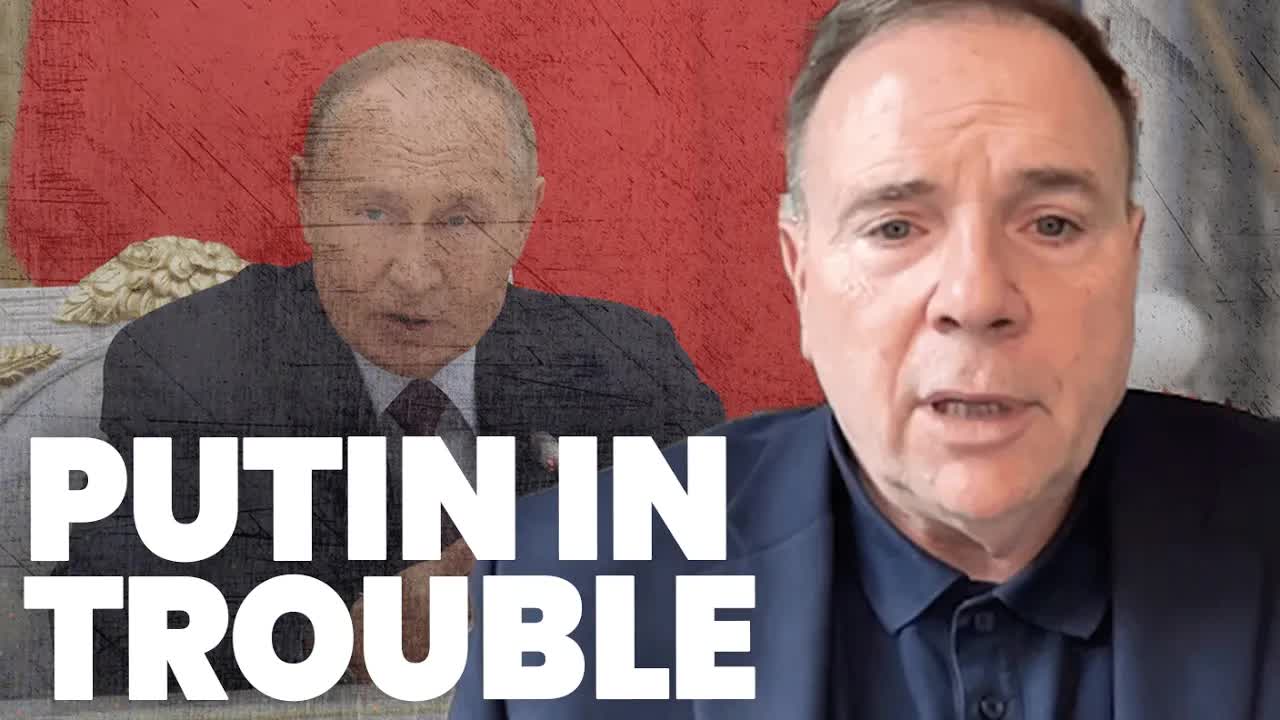
In the ever-evolving landscape of international relations, a new strategy is emerging that emphasizes the need to defeat Russia first to isolate Iran.
This tactic, as discussed by experts, could significantly undermine Iran’s ability to support its allies such as Hezbollah, Hamas, and the Houthis.
Recent assessments suggest that Iran has been appearing weak and ineffective lately, raising questions about its capacity to maintain influence in the region.
The Iranian regime seems to be feeling the pressure, prompting it to launch a significant strike recently.
This move appears to be an attempt to reassure its proxies that it remains a formidable player on the geopolitical stage.
However, analysts argue that despite the scale of their military parades and displays of power, Iran’s military effectiveness may not match its bravado.
The fear of entering into an all-out conflict with Israel looms large, although circumstances may force their hand.
Interestingly, the situation in Ukraine is intricately linked to these developments.
Iran has found an ally in Russia, supplying it with drones and missiles, which complicates the dynamics of their partnership.
Should Ukraine manage to defeat Russia, the ramifications for Iran could be severe, leading to its further isolation.
This interconnection presents a unique opportunity for strategic thinking, urging policymakers to consider how actions in one conflict zone can impact another.
The United States’ position on Israel’s military operations against Iranian nuclear facilities remains ambiguous.
While President Biden has indicated a reluctance to support such strikes, Israel has shown a tendency to act independently, fearing leaks or hesitations from Washington.
Recent reports suggest that Israel may have targeted a Russian airbase in Syria, a move that underscores its commitment to disrupting Iran’s supply chains to proxy groups like Hezbollah.
This attack not only complicates Iran’s support for Russia but also puts Moscow in a precarious position.
As a supporter of Iran, the Kremlin must navigate its relationship with Israel, which has not openly backed Ukraine.
The ongoing tensions raise questions about Russia’s ability to balance its alliances while facing pressures from both Israel and Ukraine.
The strategic objective here is clear: weaken Russia first, then isolate Iran.
Achieving this goal could send a strong message to China, showcasing the West’s resolve and capabilities.
However, there seems to be a disconnect in how these conflicts are perceived and addressed, with the U.S. and allied forces actively supporting Israel yet remaining less engaged with Ukraine.
Amidst this backdrop, it’s crucial to recognize the role of Iran in perpetuating terrorism in the Middle East.
Most terrorist activities trace back to Iranian or Russian sponsorship, highlighting them as central figures in the region’s instability.
While there are calls for Israel to adopt a more constructive approach towards Gaza, the focus on countering Iranian influence remains paramount.
On the ground in Iran, public sentiment appears to be shifting.
Many Iranians reportedly harbor deep resentment towards the regime, particularly after the women’s uprising two years ago.
This discontent raises the question of whether there is an opportunity for change within Iran.
While the U.S. should not overtly seek regime change, it should refrain from restricting Israel’s actions against a regime that many Iranians wish to see dismantled.
As the war in Ukraine continues, there are concerns that Western support may be waning.
Reports suggest a growing fatigue among U.S. and European leaders regarding their commitment to Ukraine.
Misleading headlines about strategically vital locations only serve to bolster Russian propaganda, portraying a narrative of inevitable defeat for Ukraine.
Yet, despite the challenges, Ukraine retains control over a significant portion of its territory, demonstrating resilience against Russian advances.
The stark reality is that if Ukraine fails, the consequences will reverberate throughout Europe and beyond.
The perception of weakness in the West could embolden aggressors like China, who might view such a failure as an opportunity to assert their dominance.
The need for a cohesive and unwavering response to Russian aggression has never been more critical.
Biden’s administration faces a complex landscape as it navigates foreign policy decisions leading up to the election.
Concerns about escalating tensions with Russia and domestic political implications often overshadow strategic considerations.
This cautious approach could hinder decisive actions that might otherwise bolster Ukraine’s position in the conflict.
In light of the current geopolitical climate, it is essential to reassess strategies and commitments.
The interconnectedness of these conflicts requires a comprehensive approach that prioritizes defeating Russia while simultaneously isolating Iran.
The stakes are high, and the choices made today will shape the future of global alliances and regional stability for years to come.
Read more
