








Last February, a seemingly ordinary night in a Phuket bar turned into a pivotal moment in the ongoing drug wars of Marseille.
Two men, both in their early thirties and hailing from the rough neighborhoods of the French city, were enjoying drinks when a dispute erupted.
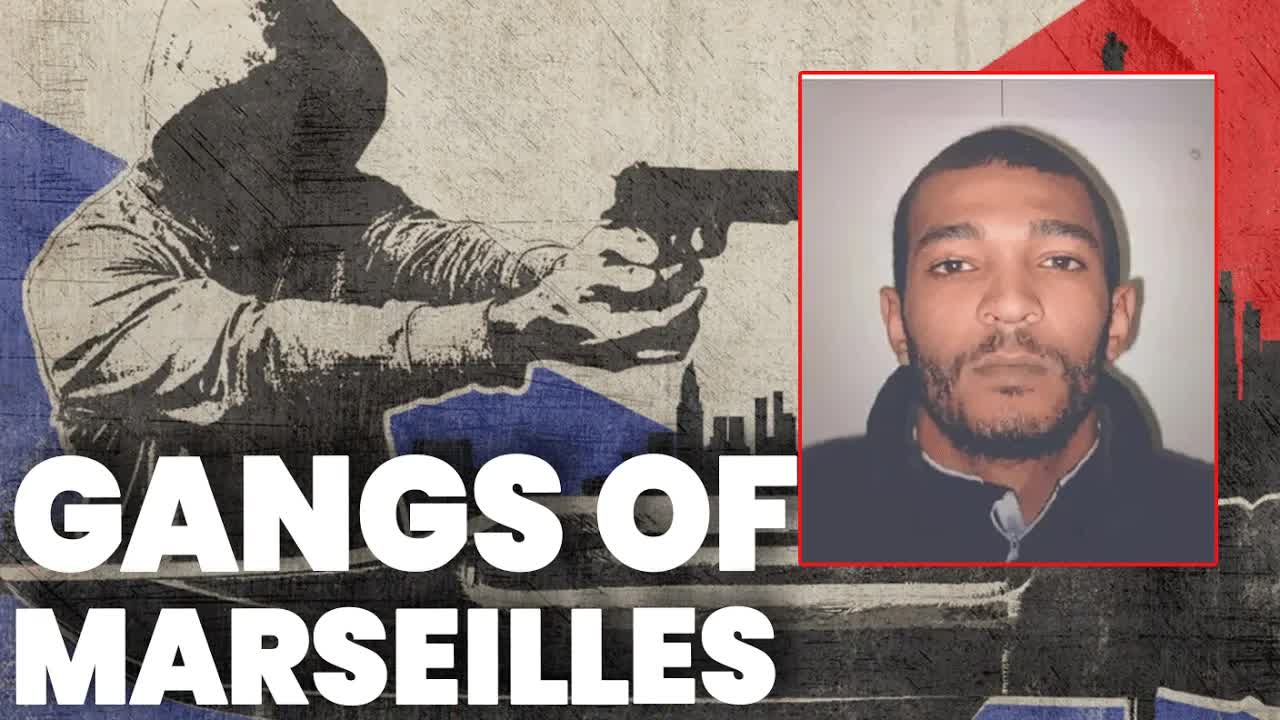
Known as Tick and the Cat, Mehdi Abdullatif Laribi and Felix Bangui lead two of the most notorious drug gangs in Marseille.
What began as a friendly gathering quickly spiraled into chaos, allegedly sparked by a drunken ice cube toss and an argument over a woman.
These two gangs, DZ and Yoda, are not just small-time players; they control a significant portion of the drug trade in Marseille’s northern suburbs.
The DZ gang, led by Laribi, is primarily composed of individuals from Algeria, while Yoda consists mainly of young men from North Africa.
Together, they have been linked to the majority of the 49 drug-related homicides that plagued the city last year.
The tension between them escalated dramatically following their bar confrontation, marking the end of a fragile truce that had held for some time.
The next day, back in Marseille, violence erupted as a member of the DZ gang was shot by a Yoda rival at a known drug dealing spot.
This retaliation ignited a violent cycle, leading to further attacks and a full-blown gang war.
As the situation deteriorated, it became clear that this feud was about more than just personal grievances; it was a reflection of the broader issues plaguing Marseille, a city with a complex social fabric.
Marseille, France’s third-largest city, is often seen as a tourist paradise with its beautiful port and vibrant atmosphere.
However, beneath this facade lies a stark reality.
The city’s northern suburbs are characterized by grim tower blocks and high levels of poverty, often housing marginalized communities, particularly those of immigrant backgrounds.
Since the mid-20th century, the influx of Algerians and other North African populations has contributed to a unique cultural landscape, but it has also given rise to significant social challenges, including crime and violence.
In these neglected suburbs, young people often find themselves trapped in a cycle of poverty and crime.
Amin Kesachi, a 19-year-old of Algerian descent, provides a glimpse into this world.
His brother fell victim to gang violence, yet Amin chose a different path.
He is now studying law and runs a charity aimed at steering youth away from crime.
During a tour of the northern estates, he pointed out how young children are gradually drawn into the drug trade through seemingly innocent tasks, lured by the promise of quick cash.
The scale of the drug trade in Marseille is staggering.
Estimates suggest that one drug dealing point can generate nearly £100,000 a day, contributing to a national drug economy valued between €3.5 billion and €6 billion.
This lucrative business fuels the violence and rivalry among gangs, where territorial disputes can lead to deadly confrontations.
The increasing availability of firearms has only exacerbated the situation, with reports indicating that prices for weapons have dropped due to global conflicts, such as the war in Ukraine.
Social media has transformed the landscape of gang recruitment, allowing for broader outreach beyond local neighborhoods.
Young individuals, often aged between 16 and 20, are being recruited online, sometimes without ever meeting their employers.
This new method of operation allows gangs to operate with a level of anonymity and distance previously unseen, making it easier for them to orchestrate violence without direct involvement.
The tragic cycle of violence continues to claim young lives.
A recent incident involved a 15-year-old who was sent to intimidate a rival gang member but was killed instead.
In retaliation, a 14-year-old was dispatched to avenge his death, only to find himself caught in a police trap set by the very gang he was trying to impress.
Such stories highlight the alarming trend of young people being drawn into a world of crime and violence, often at the behest of older gang members who exploit their naivety.
As the conflict rages on, the leaders of these gangs have fled the country.
Laribi is believed to be hiding in Algeria, while Bangui has been arrested in Morocco and is expected to be extradited to France.
Despite their absence, the gang wars show no signs of abating.
Geography no longer confines the drug trade; with the rise of technology, the influence of these criminal organizations stretches far beyond the borders of Marseille.
Efforts to combat this issue have proven challenging.
While there are calls for decriminalization of certain drugs as a potential solution, the complexities of the drug trade extend beyond simple legal reforms.
There is a pressing need to address the root causes of gang involvement, including social deprivation and lack of opportunity.
Activists like Amin advocate for better career paths and community support to deter youth from turning to crime.
Politically, the French government has recognized the urgency of the situation, with President Macron making unannounced visits to Marseille to tackle the problem.
However, merely increasing police presence may not suffice.
The demand for drugs primarily comes from middle-class consumers outside the troubled neighborhoods, highlighting the need for a comprehensive approach that addresses both supply and demand.
As the local community grapples with the consequences of this violence, the divide between affluent and impoverished areas becomes stark.
While some parts of Marseille remain untouched by the chaos, those living in the northern suburbs endure the constant threat of violence.
Community leaders and residents continue to seek solutions, hoping for a future where their neighborhoods are free from the grip of gang warfare.
Read more
