









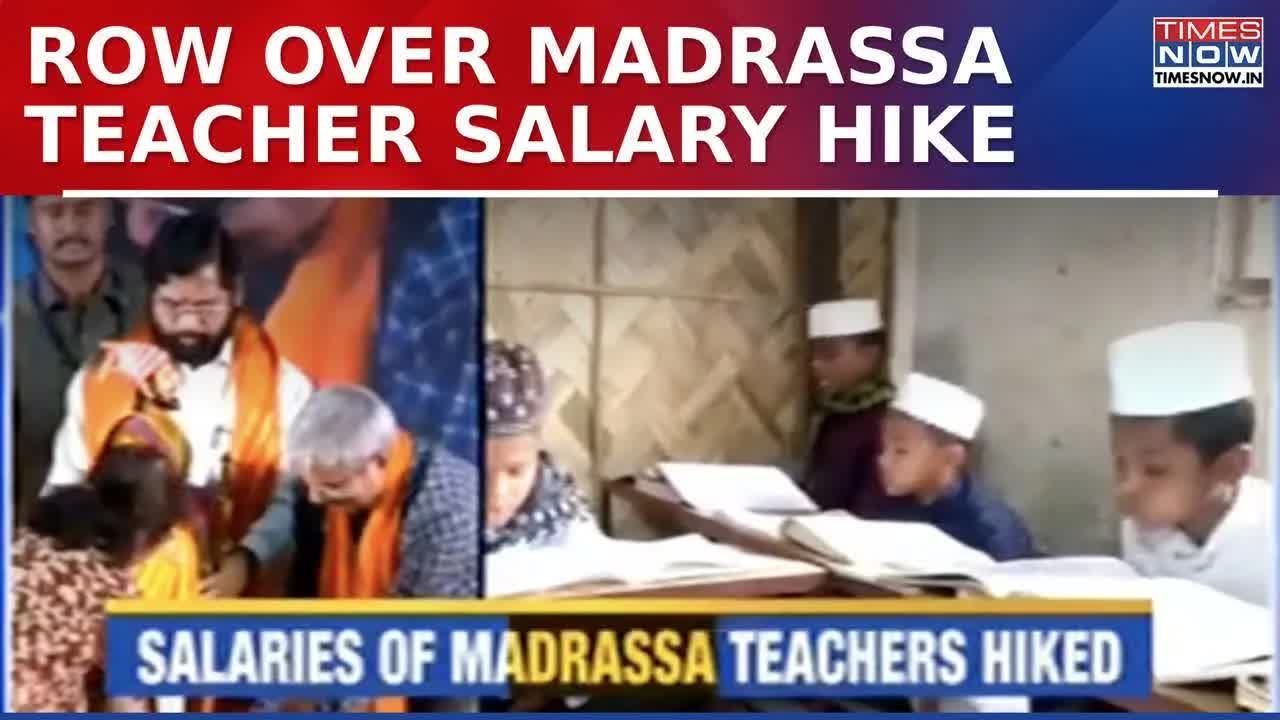
In a significant development, the Maharashtra cabinet has approved a series of decisions just before the upcoming assembly elections, igniting a political firestorm.
The timing of these announcements has not gone unnoticed, with opposition parties accusing the ruling government of scrambling to secure votes as they face mounting pressure.
Critics have been vocal about what they perceive as a rushed response from the state government, which has long championed a strong Hindu nationalist ideology.
As the election date approaches, allegations of fear and desperation have emerged, suggesting that the government is resorting to populist measures to sway public opinion.
Some analysts argue that this strategy reveals a deeper concern about their electoral prospects.
Many in the opposition are pointing fingers at the government’s financial management.
They claim that despite the cabinet’s recent decisions, the finance department is in dire straits.
Charan Singh Sapra from the Congress party expressed skepticism over the government’s ability to fund its promises, labeling the new salary increases for Madrasa teachers as mere “election lollipops.”
According to him, these gestures are transparent attempts to win favor ahead of the polls, but he believes voters are not easily fooled.
Sapra highlighted the sheer number of cabinet decisions made in a short span—573 in just 18 days—and questioned where the funds for implementing these policies would come from.
He cited the finance minister, Ajit Pawar, who has publicly stated that the government is grappling with a mounting debt exceeding ₹7.5 lakh crores.
This raises the question: how can the government afford to deliver on these promises?
The chief minister, Eknath Shinde, has claimed that there are sufficient finances to sustain the announced benefits for an extended period.
However, critics argue that Shinde needs to address the concerns raised by his own finance department officials before making such bold assertions.
Many view his statements as empty electoral rhetoric aimed solely at garnering votes rather than addressing real issues.
The Congress party has not held back in its criticism, accusing the ruling coalition of engaging in vote-bank politics.
They assert that the recent outreach to minority communities is a clear example of the government’s appeasement strategy, aimed at manipulating voter sentiment just before the elections.
Opposition leaders are adamant that the electorate is becoming increasingly aware of these tactics.
They believe that regardless of the government’s efforts, a shift in power is imminent.
The sentiment among many voters seems to be one of disillusionment with the current administration’s handling of key issues.
Meanwhile, the BJP, which is allied with Shinde’s faction, has defended the cabinet’s decisions.
They emphasize the importance of integrating Madrasas into the formal education system, suggesting that this move has been successful in other states.
Their support indicates a strategic alignment with Shinde’s government, reinforcing their commitment to educational reforms as a means to gain public trust.
As the political landscape heats up in Maharashtra, the opposition remains vigilant, ready to capitalize on any missteps made by the ruling party.
With the assembly elections looming, every decision and announcement will be scrutinized, and the stakes have never been higher.
In the coming weeks, it will be fascinating to see how these developments unfold and whether the Maharashtra government can effectively navigate the challenges posed by both its financial situation and the growing discontent among voters.
The political chess game has begun, and all eyes are on the players as they make their moves.
Read more
