









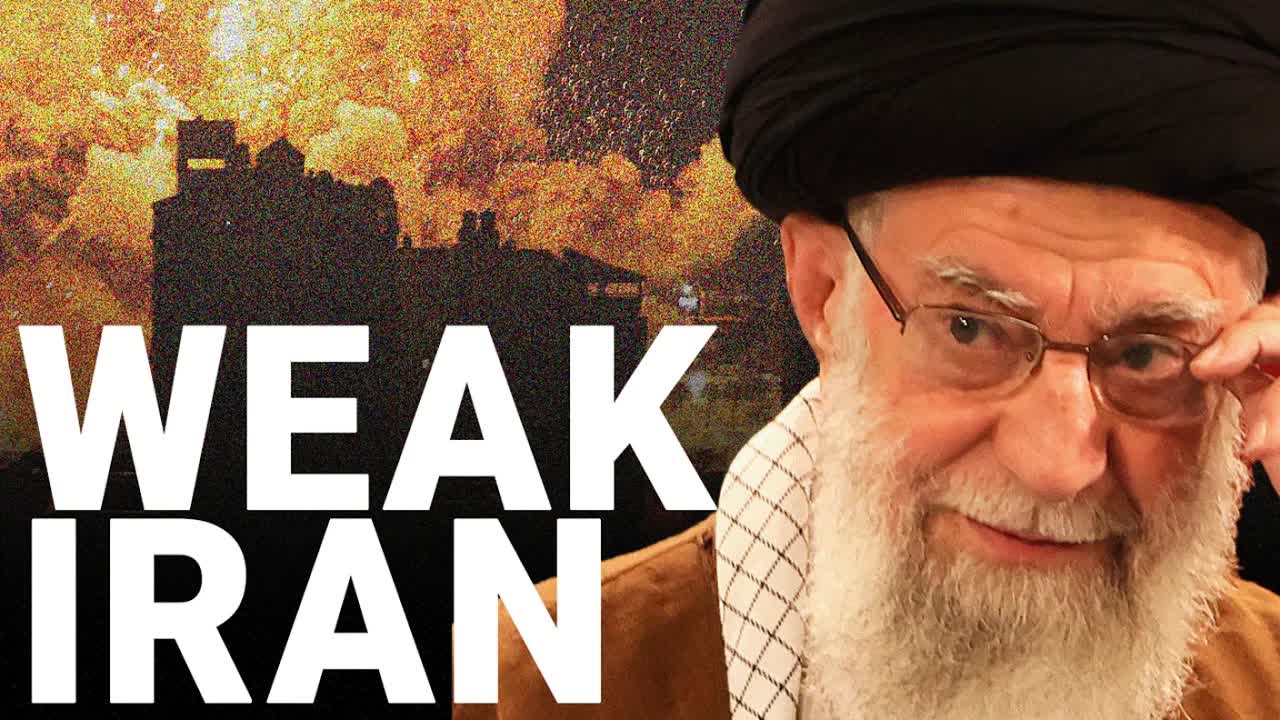
In a dramatic turn of events in the Middle East, the Iranian regime has launched a barrage of missiles toward Israel, marking a significant escalation following the assassination of Hezbollah leader Hassan Nasrallah.
This retaliatory strike comes amid rising concerns about the fragility of regional stability, particularly for Iran, which is grappling with the fallout from the loss of face over the killing of Nasrallah and the ongoing attacks on Hezbollah members.
The international community is urging a diplomatic resolution to this crisis, but all eyes are now on Israel, waiting to see how it will respond to Iran’s aggressive move.
Michael Binyon, a seasoned leader writer for The Times and former diplomatic editor, weighed in on the situation, drawing parallels to past conflicts in the region.
Binyon reflected on his experiences covering various wars, including the Yom Kippur War in 1973.
He emphasized that while the current conflict may not reach the same intensity, the range of weaponry involved—specifically ballistic missiles capable of striking targets up to 2,000 miles away—adds a new dimension to the threat.
Unlike the localized battles of the past, today’s warfare could involve airstrikes rather than ground invasions, a strategy shaped by Israel’s previous experiences in Lebanon.
The recent Iranian missile strikes were interpreted as both a desperate attempt to inflict damage on Israel and a symbolic gesture aimed at restoring the regime’s credibility.
Binyon noted that Iran’s leadership is acutely aware of its unpopularity among the Iranian populace, who have expressed dissent through protests in recent years.
Thus, demonstrating support for Hezbollah and taking action against Israel serves to reinforce the regime’s ideological stance while attempting to quell domestic unrest.
However, Binyon pointed out that while Iran intended to strike back, they likely anticipated that many of their missiles would be intercepted by Israel’s sophisticated Iron Dome defense system.
This reality raises questions about the efficacy of such military actions, as the Iranian regime balances its need to appear strong against the practical limitations of its military capabilities.
The sentiment among ordinary Iranians appears to diverge from the regime’s aggressive policies.
Many citizens seem less hostile toward Israel compared to their government’s radical rhetoric.
With pressing economic challenges and a desire for change within their own country, the Iranian public’s priorities differ significantly from the regime’s focus on regional dominance.
As for Israel’s potential response, Binyon suggested that Prime Minister Netanyahu has long sought an opportunity to confront Iran directly.
The current situation might provide him with the pretext he needs to target Iranian nuclear facilities.
While previous Israeli responses to provocations have been measured, this time could see a more robust military engagement aimed at crippling Iran’s nuclear ambitions.
Binyon also highlighted that any Israeli military action would likely focus on specific military targets rather than indiscriminate bombing of civilian areas.
The intention would be to inflict damage on critical infrastructure while avoiding a full-scale invasion or regime change, which would be a far more complex and dangerous endeavor.
With the conflict unfolding, the potential for other regional players to become involved remains a concern.
While nations like Jordan have maintained their peace treaties with Israel despite their frustrations over the situation in Gaza, the broader Arab public’s reaction could sway the dynamics.
If widespread unrest erupts, it could complicate the already tenuous relationships in the region.
In summary, as tensions rise between Iran and Israel, the stakes are higher than ever.
The world watches closely, hoping for a diplomatic resolution while bracing for the possibility of further military escalation.
The implications of this conflict extend beyond the immediate actors, touching on the fragile balance of power throughout the Middle East.
Read more
