

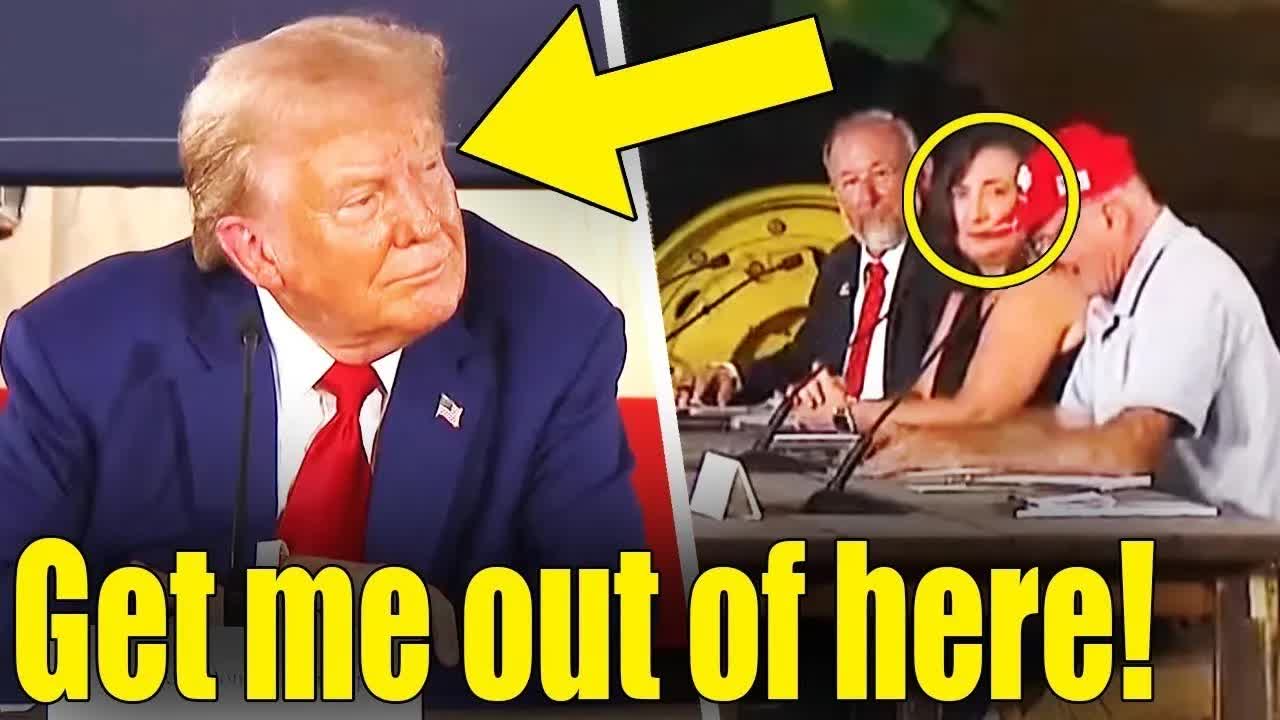
In a shocking revelation, former President Donald Trump has been accused of using derogatory terms to describe American service members, labeling them as “losers,” “suckers,” and “dopes.”
This assertion has been corroborated even by Fox News, raising serious questions about Trump’s respect for the very men and women he once claimed to lead.
A true leader would recognize that our troops embody values such as courage, honor, and sacrifice—qualities that Trump seems to dismiss.
Critics argue that Trump, who famously avoided military service, exhibits a blatant disdain for those who have served.
His remarks trivialize the sacrifices made by millions of Americans, including those who have sent loved ones off to war.
While countless families have endured the pain of loss and injury, Trump’s mockery stands in stark contrast to the reverence these heroes deserve.
The former president has a troubling history of disparaging war heroes, most notably John McCain.
Trump infamously belittled McCain’s status as a POW during his campaign launch, stating, “I like people who weren’t captured.” Such comments not only undermine the valor of those who have served but also reveal a deep-seated contempt for the sacrifices they’ve made.
Trump’s behavior extends beyond mere words.
He has been criticized for refusing to honor fallen soldiers, such as when he declined to lay a wreath at a World War I memorial, instead labeling those who died as “suckers” and “losers.”
His fixation on personal gain is evident as he once remarked that obtaining a Purple Heart was “much easier” than earning it through combat.
Adding to the controversy, Trump has targeted military families, including attacking Nikki Haley’s husband while he was deployed.
Such actions raise alarms about his respect for the armed forces and their families, further fueling the narrative that he is unfit for leadership.
Moreover, Trump’s recent photo opportunities at Arlington Cemetery have drawn ire.
When confronted about violating cemetery rules, campaign staff reportedly pushed aside officials, displaying a troubling disregard for sacred spaces.
This behavior raises the question of what patriotism truly means in the context of supporting a leader who openly mocks military service.
The implications of Trump’s rhetoric and actions extend far beyond domestic politics.
During a recent debate, he made contentious claims about Germany’s energy policies, suggesting they had reverted to fossil fuels.
This assertion was swiftly debunked by the German government, leading to a public relations disaster for the former president.
Germany’s foreign ministry took to social media to clarify the situation, asserting that over 50% of their energy system is derived from renewable sources.
Their response included a cheeky remark about not eating cats and dogs, referencing Trump’s previous unfounded claims about Asian migrants.
This moment of international mockery highlights the global repercussions of Trump’s statements.
As the world laughs at Trump, they are simultaneously casting a shadow over the United States.
The perception of a potential leader who is ridiculed on the international stage poses a significant risk to America’s standing in global affairs.
Our relationships with allies and partners are crucial for trade, intelligence, and military cooperation, and Trump’s antics threaten to undermine those connections.
Throughout his presidency, Trump alienated key allies while cozying up to adversaries.
The prospect of his return to power raises concerns not just about his leadership style but also about the broader implications for U.S. foreign relations.
If global leaders view Trump as a joke, it reflects poorly on America as a whole.
When other nations mock Trump, they are also questioning the wisdom of the American electorate.
This not only affects our national image but could have dire consequences for our security and economic stability.
As we navigate these complex issues, it’s vital to reflect on the kind of leadership we want to endorse and the impact it has on our place in the world.
Read more
